 Taste the LatestRecent Recipes
 Autumn RecipesIn season now
 Thanksgiving RecipesComing up
g
about 1 cup
or tap a portion
or drag the dial
 Culinary Creations for EveryoneDetailed Nutrition Info for T1D
We use affiliate links throughout our website. As an Amazon Associate, we earn from qualifying purchases. If you choose to purchase through our links, we may earn a small commission, at no additional cost to you. This support helps keep our kitchen running and enables us to continue sharing free recipes with detailed nutrition information. Thank you for supporting our work!
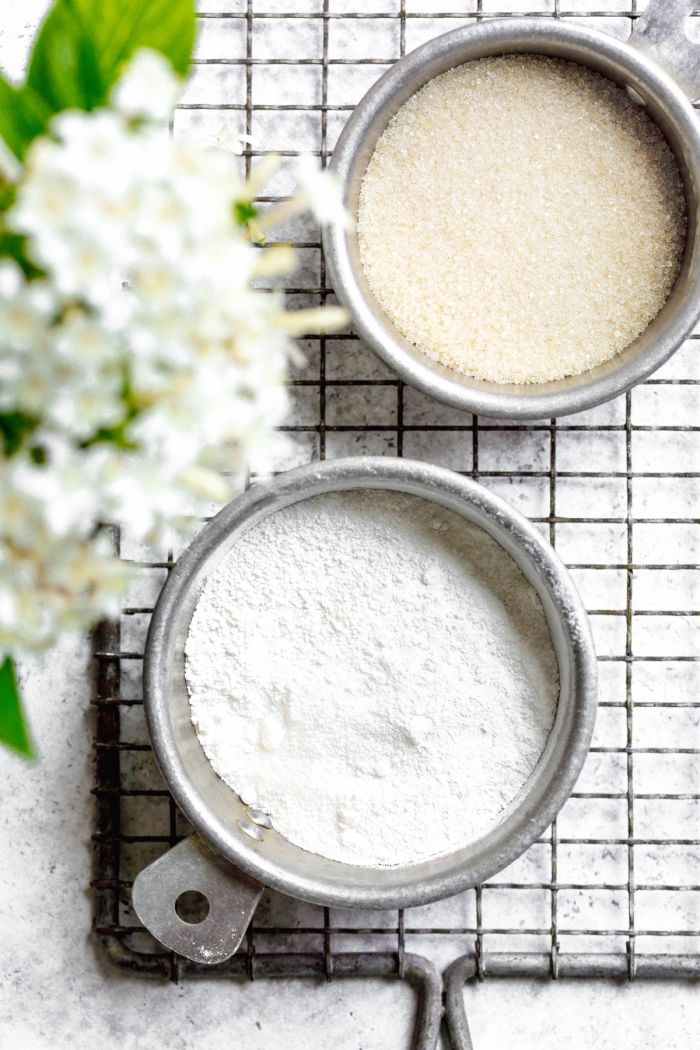
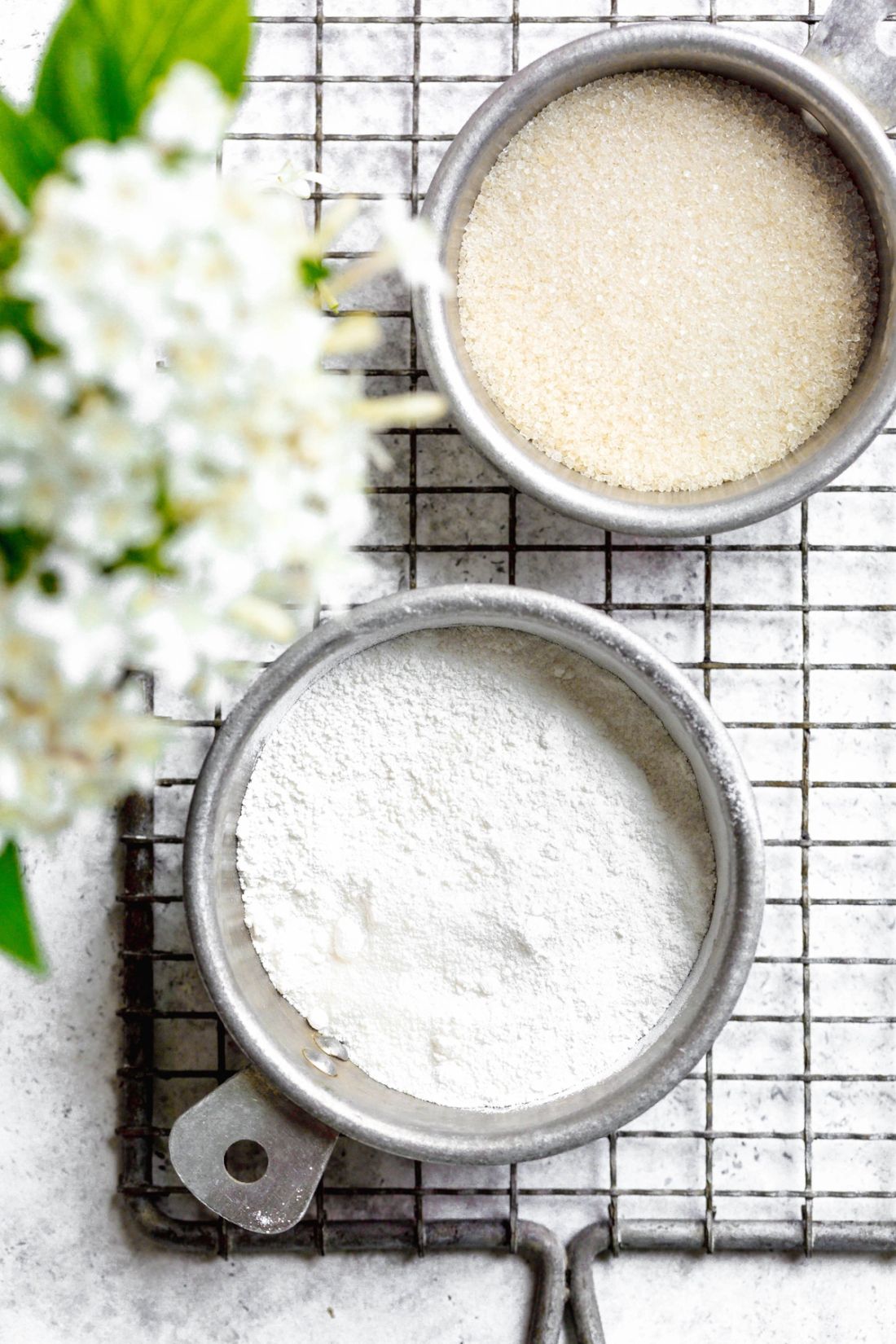
Also known as Caster Sugar or Baker's Sugar, this homemade superfine sugar is a great ingredient to have on hand. It's perfect for a fast homemade lemonade, perfectly flaky brownies, and more!






Dietary labels reflect the ingredients as written. Always check your product labels for allergens and cross-contact. Learn more
These numbers are estimates, not medical advice. Your brands, substitutions and weights can change them, so check your labels and dose according to your care team’s plan. Read the disclaimer
We use affiliate links throughout our website. As an Amazon Associate, we earn from qualifying purchases. If you choose to purchase through our links, we may earn a small commission, at no additional cost to you. This support helps keep our kitchen running and enables us to continue sharing free recipes with detailed nutrition information. Thank you for supporting our work!
Click on a photo to open the full view carousel. When you are finished, click outside the photo to close it.
Tick things off as you go.
Amounts follow the batch size.
These steps are written for 2 cups.
If you plan to use Your Kitchen's Results in the Nutrition Calculator, weigh your empty baking dish (or pot, pan, tray, etc) before you begin.
Place the cane sugar into a food processor, fitted with the regular S-blade. Drape a towel over the top to catch the dust that will be made.
Run the food processor for several minutes, until the sugar is ground into a fine powder.
Let the food processor sit for a minute or two to give the dust time to settle.
Pour the superfine sugar into an air-tight storage jar and cover with a lid. It will keep indefinitely but is best used within 2-3 years.
Serve and enjoy! 
Tick each step as you finish it.
Made this? Share it on Instagram and tag @ohmyheartandhome. We'd love to see!
Choose “Our Kitchen's Results” to use calculations based on the final weight of the food from our kitchen, or choose “Your Kitchen's Results” to use calculations based on the final weight of the food you prepared in your kitchen.
Brands, humidity, cooking time, altitude, even the pan you use can change how much the finished food weighs, and that changes its nutrient density. The carbohydrates in the batch stay the same, so a lighter batch has more in every gram and a heavier batch has less. Weighing your own batch accounts for all of it.
Our finished batch of 2 cups weighed 400 g, so every gram of cup has 1.00 g of carbohydrates. Every number below uses that weight.
Nothing to weigh. Go on to step 2.
Your batch of 2 cups. Weigh it once, in the dish that holds all of the food.
Weigh inUsing a hot pad? Leave it on the scale for both weighings.Saved for this recipe on this deviceSet your empty plate or bowl on the scale, then press Zero (some scales say Tare) so it reads 0.
Put your serving on that plate. The number on the scale is your serving's weight.
Type the number from your scale. You can also tap a portion or drag the dial.
Weigh only the food: zero the scale with the plate on it first.
about 1 cup
or tap a portion
or drag the dial
This is what's on your plate. Add it to along with other recipes and single ingredient foods to total everything in your meal.
Using Our Kitchen's Results
Carbohydrates in Your Servingyour kitchen
g
Total weight of a full batch, containing 2 cups: 400 gTotal carbs: 400 gCarb factor: 1.00 g of carbohydrates per gram of cup
Calculated from USDA FoodData Central values for each ingredient. These numbers are estimates, not medical advice. Your brands, substitutions and weights can change them, so check your labels and dose according to your care team’s plan. Read the disclaimer
The Calculator
Our final food weighed 400 grams.
Brands, humidity, cooking time, altitude, even the pan you use can change how much the finished food weighs, and that changes its nutrient density. The carbohydrates in the batch stay the same, so a lighter batch has more in every gram and a heavier batch has less.
Switch to to weigh your own batch and account for all of those factors.
Your batch of 2 cups. Weigh it once, and every number on this page uses your kitchen's results.
Weigh inUsing a hot pad? Leave it on the scale for both weighings.Saved for this recipe on this device · Your batch is weighed. Now zero your scale with your plate on it, serve your food and enter its weight below.
Remember to zero your scale before placing your food on your dish.
about 1 cup
OR
Using Our Kitchen's Results
Carbohydrates in Your Servingyour kitchen
g
Total weight of a full batch, containing 2 cups: 400 gTotal carbs: 400 gCarb factor: 1.00 g of carbohydrates per gram of cup
Calculated from USDA FoodData Central values for each ingredient. These numbers are estimates, not medical advice. Your brands, substitutions and weights can change them, so check your labels and dose according to your care team’s plan. Read the disclaimer
Share it on Instagram and tag @ohmyheartandhome.
Open Instagram
About the author
Hi! I'm Jadrianna - home chef, recipe developer, photographer, and busy mom to three. I’m here to share recipes from the heart and inspirations from my home, complete with detailed nutrition information for anyone who needs it.
Click here to learn more about me and the story behind this blog.
By supporting Oh My Heart and Home you are helping to support the Type 1 Community. A portion of all proceeds go to benefit Breakthrough T1D and T1International. #insulin4all


Logos are the property of their owners. Oh My Heart and Home is not affiliated with or endorsed by these organizations.
Subscribe for new recipes, each with complete nutrition, delivered to your inbox.
One email per new recipe. Unsubscribe anytime. We never sell your information. By subscribing, you agree to our Privacy Policy.
Saved on this device
Your meal is empty.
Portions from every recipe you add are totaled here.
These numbers are estimates, not medical advice. Your brands, substitutions and weights can change them, so check your labels and dose according to your care team’s plan. Read the disclaimer